Workers are injured every year not because machines fail—but because safety procedures fail. Among the most preventable incidents are those tied to unexpected equipment startup during maintenance. That’s where lockout/tagout (LOTO) safety talks come in. These brief, focused discussions don’t just check a compliance box—they save lives.
A toolbox talk on lockout/tagout should be more than a script read from a clipboard. It must be relevant, urgent, and actionable. When done right, LOTO safety talks reinforce muscle memory, clarify responsibilities, and spotlight real-world risks. This article breaks down the most critical lockout/tagout safety talk topics that every supervisor and team leader should cover—consistently and correctly.
Why LOTO Safety Talks Matter Beyond Compliance
Compliance with OSHA’s LOTO standards (29 CFR 1910.147) is non-negotiable. But treating lockout/tagout as a regulatory hurdle misses the point. The real value of safety talks lies in bridging the gap between policy and practice.
Consider this: a maintenance technician is clearing a jam in a conveyor system. The machine appears off. No one tags it. Another worker, unaware of the repair, resets a breaker. The conveyor lurches to life—resulting in a severe hand injury.
This isn’t hypothetical. OSHA estimates that proper LOTO procedures prevent 120 fatalities and 50,000 injuries annually in the U.S. A 10-minute safety talk can make the difference between a near-miss and a life-altering event.
Effective LOTO safety talks focus on: - Human behavior under pressure - Miscommunication between shifts - The false assumption that “it won’t happen to me”
They also reinforce that LOTO isn’t just for electricians or engineers—it applies to anyone who services, cleans, adjusts, or unjams equipment.
Core Components of a LOTO Safety Talk
A high-impact LOTO safety talk includes four key elements:
1. Clear Purpose Statement Start with context: “Today we’re talking about why lockout/tagout isn’t optional—even on a ‘quick fix.’” Define the goal: to prevent accidental energization during servicing.
2. Equipment-Specific Examples Generic talk falls flat. Instead, reference real machines on site. For example: “Last week, a worker in Bay 3 was adjusting the hydraulic press. He isolated the power but didn’t lock the valve. A colleague reopened it remotely. That’s why we lock AND tag.”
3. Step-by-Step Demonstration Walk through the actual LOTO process:
- Shut down the machine using normal controls
- Isolate all energy sources (electrical, pneumatic, hydraulic, thermal)
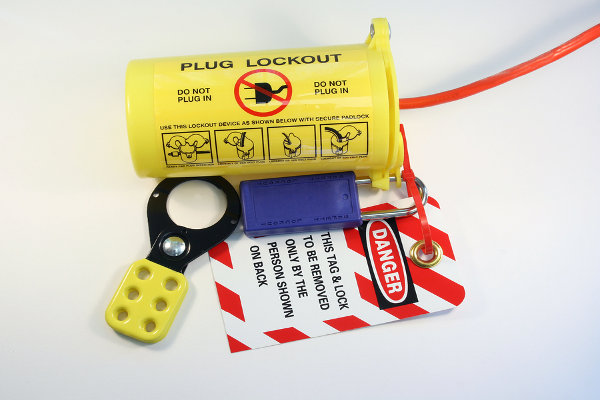
- Attach personal lock and tag
- Verify zero energy (test startup)
- Perform the work
- Remove lockout only by the person who applied it
Use visuals or physical demonstrations when possible.
4. Q&A and Participation Ask team members: “Have you ever felt pressured to skip LOTO?” or “What would you do if you found a locked-out machine with no tag?” Engagement reinforces ownership.
Common LOTO Mistakes to Address in Safety Talks
Even trained workers make errors. Highlighting frequent missteps makes safety talks more relatable and effective.
Mistake 1: Group Lockout Without Clear Protocols Multiple workers on one machine? Each must apply their own lock. A common error: one person locks out for the team. This violates the principle of individual accountability.
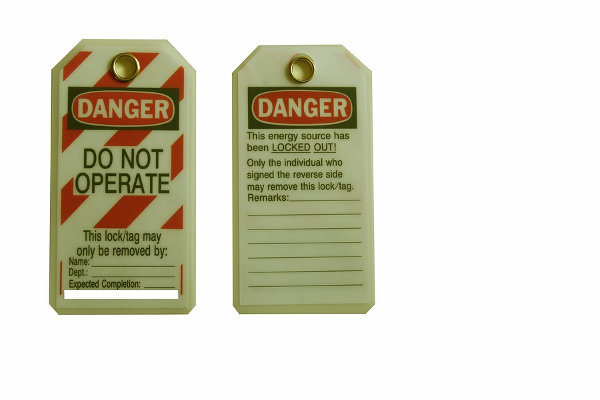
Mistake 2: Using Tags Without Locks Tags are warnings, not barriers. A tag alone won’t stop a machine from starting. Emphasize: no lock = no protection.
Mistake 3: Skipping Verification Locking out isn’t enough. Workers must test the controls to confirm the machine won’t start. If it does, the energy source isn’t fully isolated.
Mistake 4: Tagging But Not Locking Stored Energy Hydraulic systems, springs, and capacitors store energy even after power is cut. Failing to bleed or block this energy is a leading cause of LOTO failures.
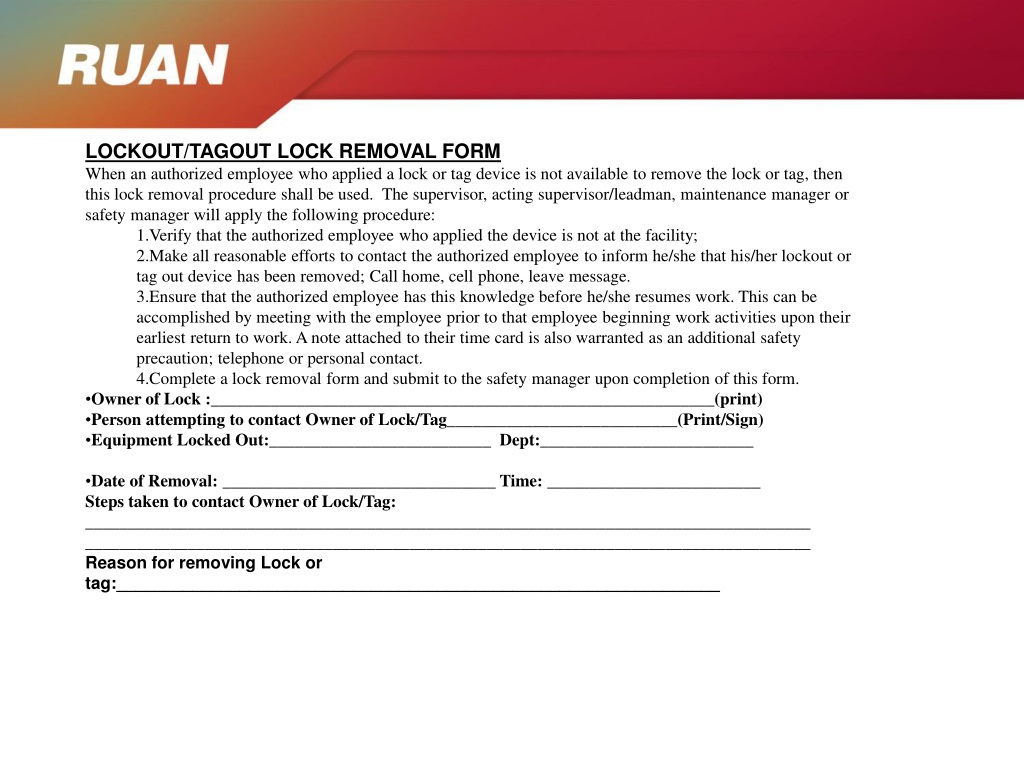
Mistake 5: Removing Someone Else’s Lock Only the person who applied a lock should remove it. Exceptions require a documented, authorized procedure—never an informal “I’ll just take it off.”
LOTO Safety Talk Topics for Different Scenarios
Tailor your safety talks to real work situations. One-size-fits-all messaging loses relevance fast.
Scenario 1: Routine Maintenance Focus on consistency. Emphasize that even scheduled tasks require full LOTO. Example: “Changing a filter on the air compressor still requires lockout—you’re exposed to moving parts and pressure.”
Scenario 2: Emergency Repairs Stress that urgency never overrides safety. Workers under pressure may bypass steps. Address it directly: “If you’re in a rush, that’s exactly when LOTO matters most.”
Scenario 3: Shift Transitions Miscommunication between shifts is dangerous. Use talks to reinforce: “If you relieve someone working on equipment, verify LOTO status before starting your shift.”
Scenario 4: Contract Workers Visitors often don’t know site-specific LOTO rules. Safety talks should include how to recognize and respect lockout devices, and who to contact for guidance.
Scenario 5: Cleaning Operations
Many assume cleaning doesn’t require LOTO. Wrong. If guards are removed or access requires reaching into danger zones, full lockout applies.
Tools and Equipment to Support LOTO Procedures
Having the right tools ensures LOTO isn’t just theoretical. These items should be available at every worksite and referenced in safety talks.
| Tool | Purpose | Best Practice |
|---|---|---|
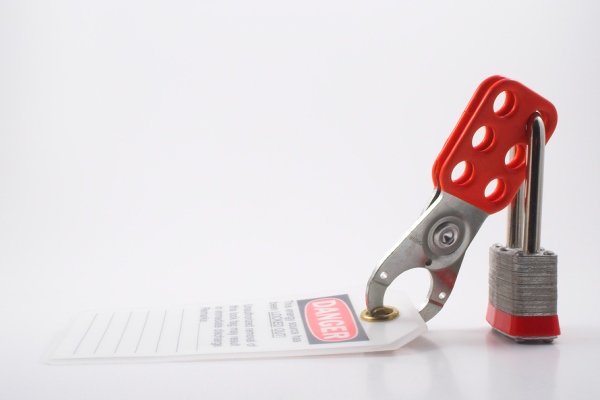
| Hasp and Lock Kit | Allows multiple workers to apply locks to one isolation point | Use color-coded locks by department |
| Tagout Tags | Provide warning and critical info (who, when, why) | Tags must be durable, tamper-resistant |
| Lockout Stations | Centralized storage for locks, tags, and hasps | Place near high-risk machinery |
| Padlocks | Personal, keyed-alike or keyed-different | Each worker should have their own |
| Circuit Breaker Lockouts | Prevent electrical re-energization | Match lock type to breaker model |
Using standardized kits reduces confusion. A maintenance team equipped with a shared lockout station is more likely to comply than one scavenging for supplies.
Building a Culture Where LOTO Is Non-Negotiable
A single safety talk won’t shift behavior. Culture change requires consistency.
Start with leadership. Supervisors must model LOTO compliance—every time. If a manager bypasses lockout, the message is clear: rules don’t matter.
Next, integrate LOTO into daily routines. Use morning briefings to ask: “Who’s doing maintenance today? Have you reviewed the LOTO procedure?”
Recognize compliance. Publicly acknowledge teams that follow LOTO perfectly during complex repairs. Positive reinforcement sticks more than punishment.
Finally, audit and observe. Walkthroughs by safety officers should include checking for proper lockout—not just paperwork, but physical verification.
Real-World Use Cases That Highlight LOTO Risks
Case 1: The Conveyor Jam A worker reaches into a stopped packaging line to clear a jam. The machine is “off,” but the main disconnect isn’t locked. A coworker restarts it from the control panel. Result: hand crushed between rollers.
Lesson: Any access to moving parts requires full LOTO—even for 30 seconds.
Case 2: The Locked-Out Machine
With No Tag Maintenance is underway on a saw. The disconnect is locked, but no tag explains why. A supervisor, unaware of the work, removes the lock, assuming it was left by mistake. The saw starts during blade adjustment.
Lesson: Tags provide critical communication. A lock without a tag is ineffective.
Case 3: The Shared Lockout Failure Three electricians work on a motor. Only one applies a lock. The other two assume they’re covered. The lock is removed after the first worker finishes. The remaining two are still exposed when power is restored.
Lesson: Each worker must apply their own lock. Group lockout requires a designated coordinator and strict protocol.
These aren’t edge cases—they’re common failures that safety talks can prevent.
Making LOTO Safety Talks Stick The best safety talks end with action.
Close each session with a direct call: “Before you leave this area, check one machine you’ll work on today. Confirm it has a current LOTO procedure. If not, report it.”
Or: “Tonight, talk to one coworker about a time they almost skipped LOTO. Share what stopped them.”
Follow up. Revisit topics monthly. Use near-misses as teaching moments—not blame sessions.
And always tie LOTO back to personal stakes: “This protects your hands, your vision, your ability to work. It’s not about rules. It’s about going home whole.”
Final Thoughts: Safety Talks Are Prevention in Real Time
Lockout/tagout isn’t a one-time training event. It’s a daily discipline. Toolbox safety talks keep that discipline alive.
When you lead a LOTO safety talk, you’re not reading a script—you’re interrupting complacency. You’re turning awareness into action. And you’re building a culture where no one feels pressure to cut corners.
Run your next safety meeting with this mindset: What if today’s talk prevents tomorrow’s accident?
Make that the standard.
What is the main purpose of a lockout/tagout safety talk? To reinforce the proper procedures for isolating energy sources during maintenance and prevent accidental equipment startup.
Who should participate in LOTO safety talks? All employees who operate, service, clean, or work near machinery that requires maintenance or repair.
Can a tag be used instead of a lock? No. Tags are warnings only. A lock physically prevents energizing equipment. Both are required for full protection.
What should a LOTO tag include? The worker’s name, date, time, reason for lockout, and contact information if applicable.
How often should LOTO safety talks be conducted? At least monthly or whenever there’s a new hazard, equipment change, or near-miss incident.
Is LOTO required for minor adjustments? Yes, if the adjustment requires bypassing guards or inserting hands into danger zones.
Who can remove a LOTO lock? Only the individual who applied the lock, unless an authorized emergency removal procedure is followed.
FAQ
What should you look for in Lockout Tagout Safety Talk Essentials for Every Worksite? Focus on relevance, practical value, and how well the solution matches real user intent.
Is Lockout Tagout Safety Talk Essentials for Every Worksite suitable for beginners? That depends on the workflow, but a clear step-by-step approach usually makes it easier to start.
How do you compare options around Lockout Tagout Safety Talk Essentials for Every Worksite? Compare features, trust signals, limitations, pricing, and ease of implementation.
What mistakes should you avoid? Avoid generic choices, weak validation, and decisions based only on marketing claims.
What is the next best step? Shortlist the most relevant options, validate them quickly, and refine from real-world results.