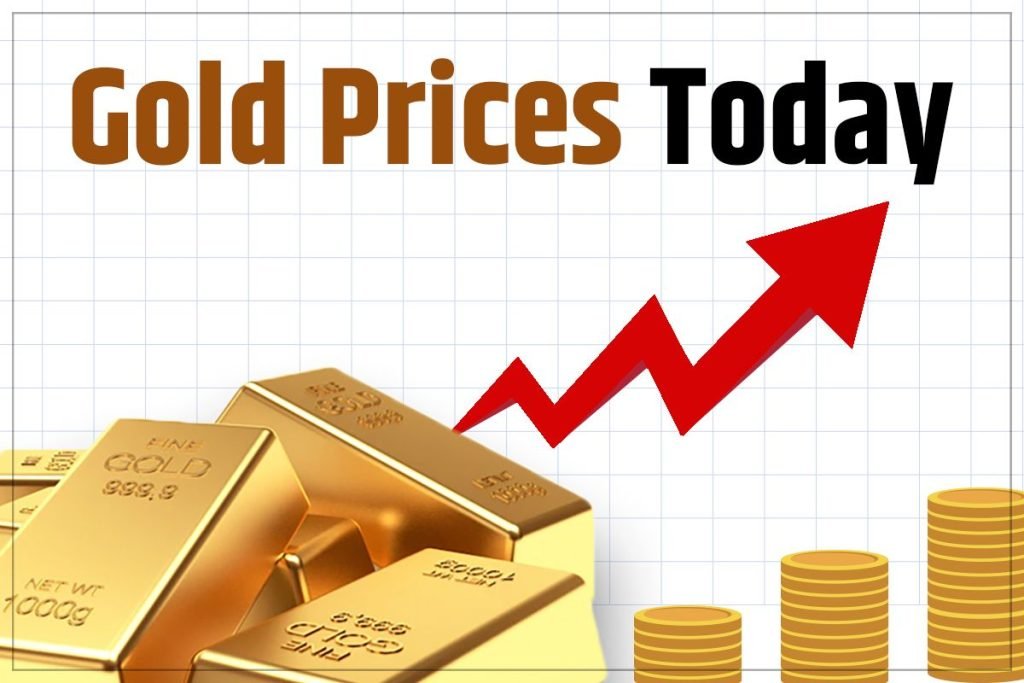
Gold doesn’t just gleam in jewelry cases—it pulses through global markets as a barometer of economic stability, investor sentiment, and currency strength. If you're asking, what is the price of gold today, you're not just checking a number. You're tapping into a signal that affects everything from retirement portfolios to central bank reserves.
But gold pricing isn’t static. It shifts by the minute, influenced by geopolitics, inflation data, and currency fluctuations. Whether you're an investor, jeweler, or someone considering selling old gold, understanding today’s price—and why it matters—is critical.
How Gold Is Priced: The Basics
The price of gold is quoted globally in U.S. dollars per troy ounce, based on the spot price—the current market value for immediate delivery. This benchmark is set through trading on major exchanges like COMEX, the London Bullion Market, and electronic platforms such as XAU/USD in forex markets.
Spot price vs. retail price: While the spot price is the foundation, what you pay or receive for physical gold often differs. Retail premiums add costs for minting, distribution, and dealer margins. For example:
| Product | Spot Price (per oz) | Retail Price (per oz) | Premium |
|---|---|---|---|
| Gold (Spot) | $2,350 | – | – |
| 1 oz Gold Eagle | – | $2,470 | +5.1% |
| Gold Jewelry (used) | – | $1,950 | -17%* |
\*Jewelers typically pay below spot due to refining and resale costs.
Understanding this gap prevents costly misunderstandings—especially when buying or selling.
What Moves the Price of Gold Today?
Gold doesn’t generate interest or dividends. Its value hinges on perceived stability and opportunity cost. When other assets look risky or yields drop, gold often rises.
#### 1. Inflation and Interest Rates When inflation climbs, the dollar’s purchasing power erodes. Gold, historically, preserves value over time. So rising inflation often pushes gold prices higher.
But high interest rates hurt gold. Why? Because bonds and savings accounts offer better returns, making non-yielding assets like gold less attractive.
Example: In 2022–2023, the Fed hiked rates aggressively to fight inflation. Gold initially stalled, then surged in 2024 as rate-cut expectations grew.
#### 2. U.S. Dollar Strength Gold is priced in USD. When the dollar strengthens, gold becomes more expensive for foreign buyers, reducing demand and lowering prices.
Conversely, a weak dollar boosts gold’s appeal. Watch the DXY (U.S. Dollar Index)—a drop often correlates with gold rallies.
#### 3. Geopolitical Risk Wars, elections, and trade tensions drive investors toward gold as a “safe haven.”
In early 2024, Middle East tensions and uncertainty around global elections sent gold spiking past $2,400/oz. Demand for physical bullion in Asia also surged.

#### 4. Central Bank Activity Central banks buy gold to diversify reserves and hedge against dollar dependency. In 2023, countries like China, Turkey, and India collectively purchased over 1,000 tonnes—the highest in 55 years.
Sustained institutional buying supports long-term price floors.
Where to Check the Price of Gold Today (Reliable Sources)
Don’t rely on random websites or social media posts. Use trusted, real-time sources with transparent feeds.
| Platform | Best For | Data Type | Update Frequency |
|---|---|---|---|
| Kitco | Live charts, historical data | Spot, futures | Real-time |
| Bloomberg | Institutional-grade analysis | Spot, ETFs | Real-time |
| Reuters Gold Page | News-integrated pricing | Spot, regional | Seconds |
| World Gold Council | Long-term trends, central bank data | Market reports | Daily |
| Google Finance (XAU/USD) | Quick checks, mobile access | Spot forex | Delayed ~10 min |
Pro Tip: Compare multiple sources. Small discrepancies are normal due to timing lags or regional premiums.
How Gold Pricing Affects Different Buyers
Gold means different things to different people. The “price today” impacts each group uniquely.
#### Investors (ETFs, Futures) For those holding SPDR Gold Shares (GLD) or gold futures, today’s price directly affects portfolio value. They focus on spot movements, technical charts, and macro trends.
Mistake to avoid: Chasing momentum without analyzing valuation. Gold can consolidate for months after rallies.
#### Jewelry Buyers Retail jewelry prices include design, labor, and brand markup—sometimes 30–100% over melt value. So even if gold drops 5%, your necklace price may not budge.
But for secondhand sales: - Used gold stores pay 70–85% of spot value. - Selling online (e.g., via pawn shops or buyers) may net more—but requires verification.
#### Coin and Bullion Collectors Numismatics (rare coins) have value beyond weight. But for standard bullion like Canadian Maple Leafs or American Eagles, pricing tracks spot closely—plus a small premium.
Watch out: Fake coins are common. Buy from NGC- or PCGS-graded dealers.
Regional Price Differences: Why Gold Isn’t the Same Everywhere
Even though gold has a global benchmark, local prices vary.
#### India Gold is culturally vital. But Indian buyers face: - Import duties (~15%) - GST (3%) - High retail markups
Result: Gold in Mumbai might trade at $2,600/oz equivalent—over $200 above spot.
#### China The world’s largest gold consumer. Local prices on the Shanghai Gold Exchange (SGE) often trade at a slight premium to global spot due to demand surges and currency controls.
#### United States Closest to spot pricing, especially for online bullion dealers. Still, expect $40–$100/oz premiums for popular coins.
Practical tip: Buy in bulk. One-ounce bars cost less per ounce than fractional sizes.
Timing the Market: Should You Buy Gold Today?
There’s no perfect entry point—but knowing the context helps.
#### Buy When: - Inflation is rising faster than interest rates - Geopolitical instability is high - The U.S. dollar is weakening - You need portfolio diversification (5–10% allocation is typical)
#### Hold Off When: - Real interest rates are high (e.g., 10-year TIPS yield >2%) - Risk appetite is strong (e.g., stock markets rallying) - Gold is significantly overbought (check RSI >70 on weekly charts)
Gold isn’t a get-rich-quick asset. It’s a strategic hedge. Buying a little consistently—via ETFs or physical—can smooth out volatility over time.
How to Act on Today’s Gold Price
Knowing the price is step one. Acting wisely is what counts.
For Investors: - Use dollar-cost averaging into gold ETFs (e.g., IAU, GLD) - Set price alerts (Kitco, TradingView) to monitor entry points - Avoid leveraged gold products unless experienced
For Sellers: - Get multiple quotes from local buyers - Clean jewelry before appraisal (dirt can affect weight) - Consider selling during panic-driven rallies (e.g., war news) when premiums peak
For Buyers of Physical Gold: - Stick to government-minted coins or reputable refiners (e.g., PAMP Suisse, Johnson Matthey) - Store securely—home safes or private vaults - Keep receipts and assay cards
Final Thoughts: Gold Is More Than a Number
The price of gold today isn’t just a data point—it’s a reflection of fear, trust, and economic reality. Whether you’re watching it for investment, sale, or curiosity, treat it with context.
Check reliable sources, understand the forces behind the movement, and align your actions with long-term goals—not short-term noise.
When uncertainty rises, gold often answers. Know its price today—not to react impulsively, but to act with clarity.
FAQ
What is the current price of gold per ounce? As of today, the spot price of gold is approximately $2,350 per troy ounce, though it fluctuates every few seconds during market hours.
Why is gold priced in U.S. dollars? The U.S. dollar is the world’s primary reserve currency. Since 1971, when the gold standard ended, gold has been freely traded in USD on global exchanges.
Does the gold price include taxes and shipping? No. The spot price is pre-tax and excludes delivery. Retail prices often add 5–10% for these costs, especially for physical products.
How often does the gold price change? It changes continuously during trading hours (Sunday evening to Friday afternoon, EST), reacting to news, economic data, and trading volume.
Can I buy gold at the spot price? Rarely. The spot price applies to wholesale or futures contracts. Consumers pay a premium for physical gold due to production and distribution costs.
What’s the difference between 24k and 18k gold pricing? 24k is pure gold (99.9%). 18k is 75% gold. Jewelry pricing is based on weight and purity—so 18k is priced at 75% of the 24k spot value, plus craftsmanship.
Where can I see historical gold prices? The World Gold Council and Kitco offer free access to decades of gold price data, including monthly, yearly, and inflation-adjusted charts.
FAQ
What should you look for in What Is the Price of Gold Today and Why It Matters? Focus on relevance, practical value, and how well the solution matches real user intent.
Is What Is the Price of Gold Today and Why It Matters suitable for beginners? That depends on the workflow, but a clear step-by-step approach usually makes it easier to start.
How do you compare options around What Is the Price of Gold Today and Why It Matters? Compare features, trust signals, limitations, pricing, and ease of implementation.
What mistakes should you avoid? Avoid generic choices, weak validation, and decisions based only on marketing claims.
What is the next best step? Shortlist the most relevant options, validate them quickly, and refine from real-world results.